Why Your Poker Range Is a Team

Overview
“Think ahead” and “Always have a plan” are phrases we hear all the time in poker, but this sort of advice is easier said than done. How exactly are you supposed to plan ahead for 1755 strategically distinct flops followed by 2162 turn and river combinations?
Despite not being much of a sports fan myself, I find the analogy of a sports team tremendously helpful for thinking about poker strategy in general, and planning in particular. A single player, no matter how talented, can not simultaneously take shots on goal (we’ll use soccer for this example, as it’s the sport I know best), position themselves to receive passes, hang back in case of interception, and defend the net.
Each player positions themselves on the field and takes action based on their role on the team, which is in turn based on their individual strengths and weaknesses. Even when the opposing team’s net is undefended, the goalkeeper generally remains on the back half of the field, defending their own goal and trusting that their teammates will see to the equally important objective of scoring points.
In this article, we will look at how you can use this analogy to help you construct more balanced ranges, and then how you can use it to help plan ahead. First, let’s get clear on what exactly I mean when I talk about assigning hands in your range to play specific roles/positions on a team.
Positions on the Poker Field
{{width: 55%}}
{{/width}}
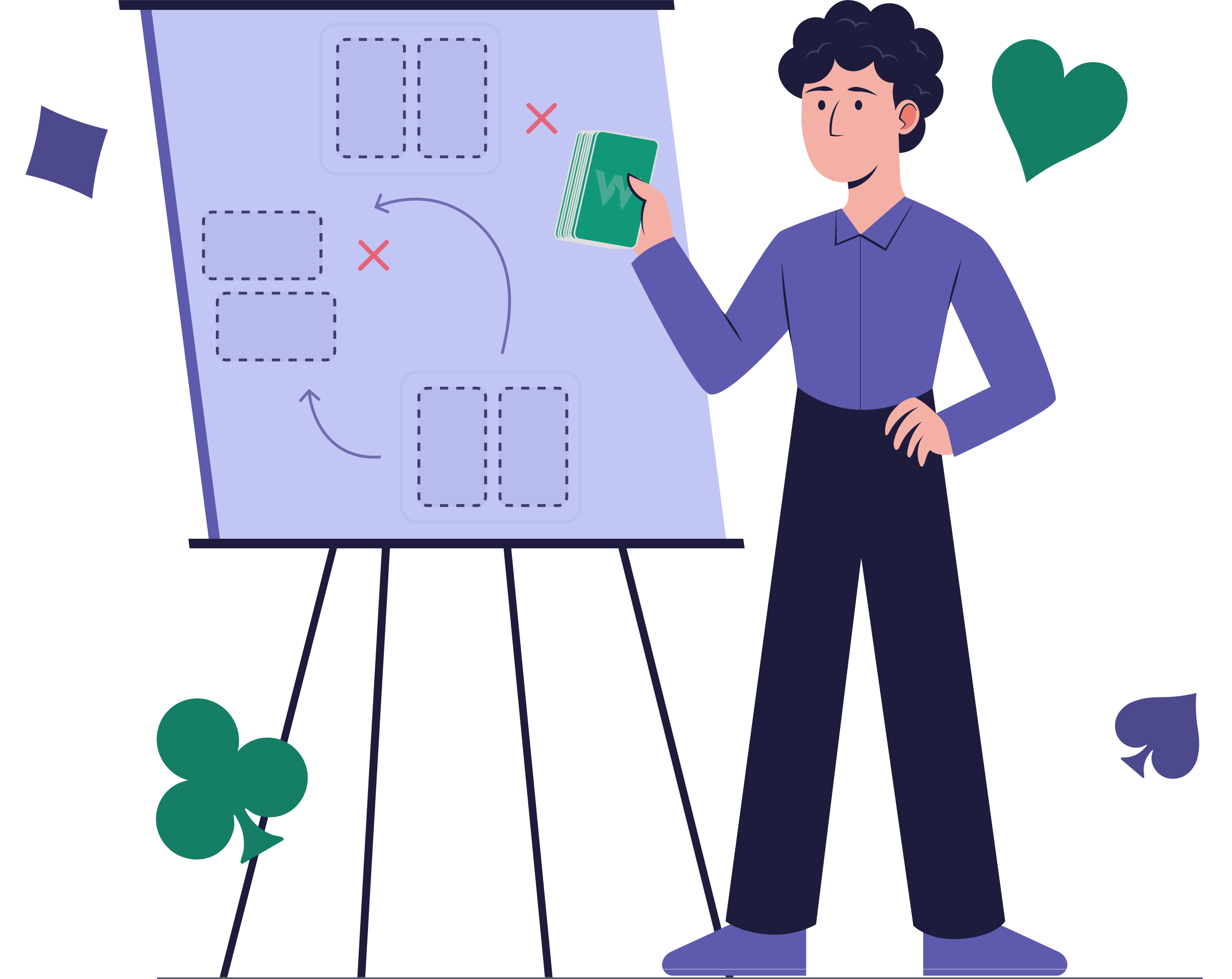
The purpose of this analogy is to help conceptualize the fact that:
This is because your opponent cannot see your cards; they can only deduce what you are likely to have based on the actions you take. Understanding the actions you will want to take with your range as a whole helps you find the best action for the two cards you’re currently holding. It will be an action that will accomplish your immediate objectives without (fully) revealing what those objectives are.
In soccer, if you put too many players on defense, then you will struggle to score goals. If you put too many on the right side of the field, your opponent can attack you on the left.
In poker, if you put all your weak hands into your betting range, your opponent can exploit you by defending wider. If you put all your strong hands into your betting range, your opponent can exploit you by attacking your checks.
For the rest of this article, I’ll refer to specific roles you will need to fill at various decision points. Some of them will be familiar to you, but others are terms I made up because I am not aware of any pre-existing poker jargon that succinctly summarizes the role in question.
{{exclamation-mark}}
You will not always need all of these roles. Which ones you need will depend primarily on your position and whether you are facing a bet.
{{/exclamation-mark}}
Roles you frequently need to fill include:
- Bluffs
Bluffs are bets (or raises) from weak hands hoping to capitalize on your opponent’s incentive to avoid paying off your strong hands (OK, you probably already knew that, but some of these will not be so obvious). Although many hands would be happy to win the pot outright, not all hands are equally good candidates for bluffing. Generally, bluffs should be selected from your very weakest hands, so that you do not “waste” hands that are strong enough to play another role on the one thing bad hands are good for. You will often have too many weak hands even to bluff with all of them, let alone go looking for stronger hands to pull into this role. Choose the best bluffing candidates from among your many weak hands based on what you do or do not block and how your hand could improve on later streets. - Bluff-Catch Dodgers
Bluff-Catch Dodgers are weak hands that do not bluff. These are sometimes called “give-ups,” but I don’t like the pejorative connotations of that term. I’d rather emphasize the strategic value of not bluffing. Sometimes, discretion is the better part of value. As we discussed above, you will usually have too many weak hands in your range to bluff with all of them. Correctly identifying when not to bluff is just as important as pulling the trigger on a 3x pot shove when the time is right. - Bluff Catchers
Bluff catchers are medium-strength hands that typically call bets not because they are favored to win but because they can beat bluffs and are getting a good enough price to try. You will have a hand that could beat a bluff nearly as often as you will have a weak hand that could justify bluffing, but you should similarly not bluff-catch with all of them, at least in theory. Nor should you waste stronger hands on a role that weaker hands can play. Again, you want to make the cut based on what you block/unblock and how your hand could improve. - Value Dodgers
Value dodgers are medium-strength hands that, unlike Bluff Catchers, fold to avoid paying off your opponents’ value bets. Folding is just as important a role as bluffing, bluff catching, and value betting! I think of folding as an essential component of your defense: bluff catching is how you defend against bluffs, and folding is how you defend against value. Of course, your weakest hands make the best folds, but it’s important to still have a robust folding range even when that means folding hands that could beat bluffs! Otherwise, you’ve got no defense against value. - Value
These are the elites, the star players, hands strong enough to bet and beg to get called. These hands are hard to come by, so when you have one, this is generally the role it should play. Most other roles can be filled by weaker hands; only the best can get value. - Traps
Traps are strong hands that check or call instead of betting or raising. Unlike Bluff Catchers, they are strong enough to bet for value, but are deliberately slow-playing in hopes of getting more value later. Like a bicycle kick in soccer, these fancy plays are best used sparingly, but when the conditions are right, they are rewarded. - Trap Dodgers
Trap Dodgers are relatively strong hands that do not bet. If you value bet too thinly, you’ll reward opponents for slow-playing and/or bluff-raising. Sometimes, your good hand isn’t quite good enough and is better off checking than re-opening the action.
The really tricky thing about planning is that you don’t just need to fill these roles for the current decision point, but for future streets/decision points as well. And since you don’t know exactly which cards will come or which actions your opponent will take, you can’t know for certain which role(s) your hand will perform best at those future decision points.
A River Example
Before we get into that, however, let’s look at an example of how a solver fills out its roster. I’ve selected the following cash game spot: 100bb, UTG vs BB, SRP. We’re on the river, with the final board being A♦T♠5♠ 7♣ 2♥. UTG bet 67% pot on the flop and 169% pot on the turn, and BB check-called both times. BB has checked the river, and UTG can now shove 168% pot or check.
{{question-mark}}
What positions does the solver need to fill?
{{/question-mark}}
Being last to act on the river and playing exclusively check or shove, UTG does not have to worry about ‘trapping’ or ‘catching bluffs’ or ‘dodging value.’ In fact, there’s no planning ahead at all in this scenario, which is why we’re starting with it. Once we understand the concepts and how to apply them, then we’ll work backwards to see how these concepts can help us plan.
After overbetting the turn, UTG has an extremely polarized range, so they will need value and bluffs. But BB has shown a lot of strength by calling the turn overbet, so UTG must also concern themselves with ‘dodging bluff-catches’ and ‘dodging traps.’ Essentially, they have two decisions to make:
- With their best hands, they must decide just how strong the hand must be to ‘value bet.’ Hands below that threshold will better fill the ‘dodging traps’ position unless they block traps especially well.
- With their worst hands, they must decide which are better suited for ‘bluffing’ and which for ‘dodging bluff-catches.’ This decision is not necessarily based on the rank of the hand; slightly stronger hands with better blockers often perform better as ‘bluffs.’
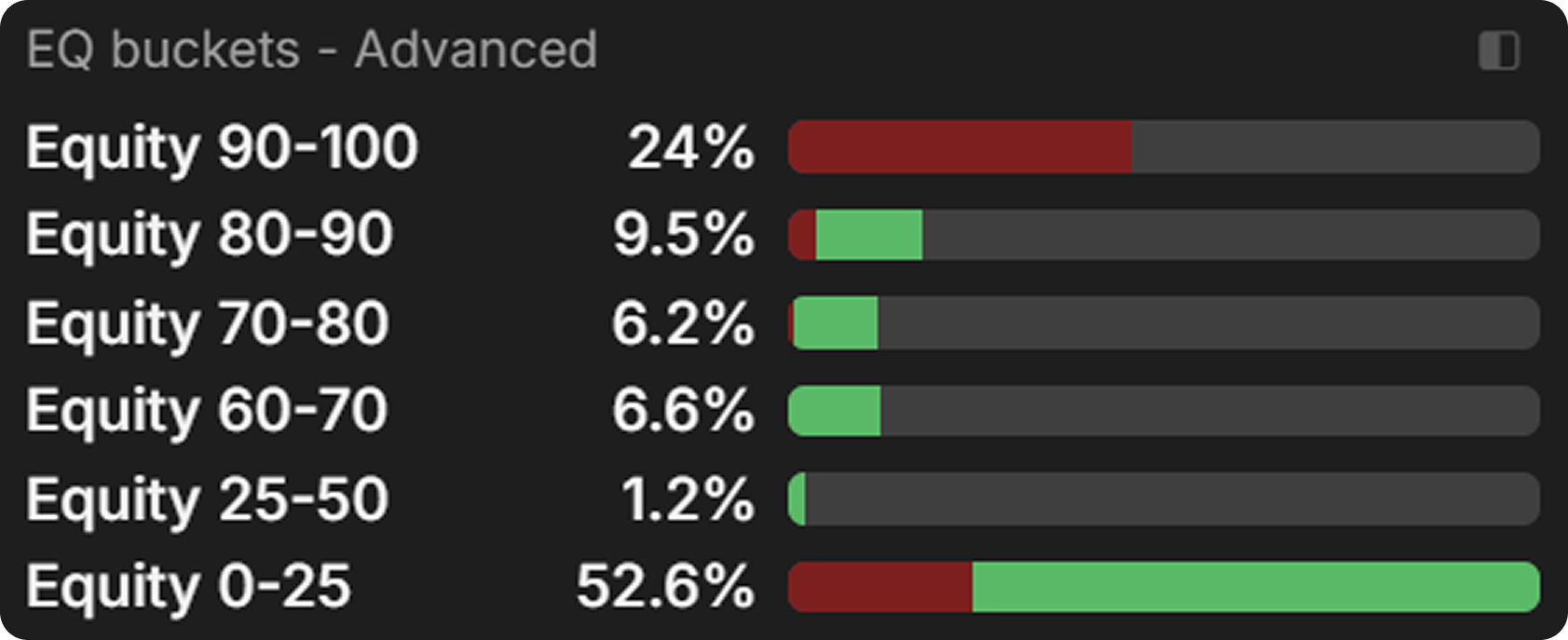
By definition, a polarized range doesn’t have much in the middle, but the medium-strength hands UTG does have are easy to assign to the Bluff-Catch Dodger position. They aren’t strong enough to get called by worse, but they are too strong to make better fold, so they just check and take their showdown value, which is usually more than half the pot.
Drafting the Top Half: Value, Traps, Trap Dodgers
UTG’s very strongest hands are also easy to assign. ‘Trapping’ them last to act would be foolish, so shoving for ‘value’ is the only option. If UTG had a range for betting smaller, then they would mostly shove their best hands for value but also include a few traps in that smaller-betting range.
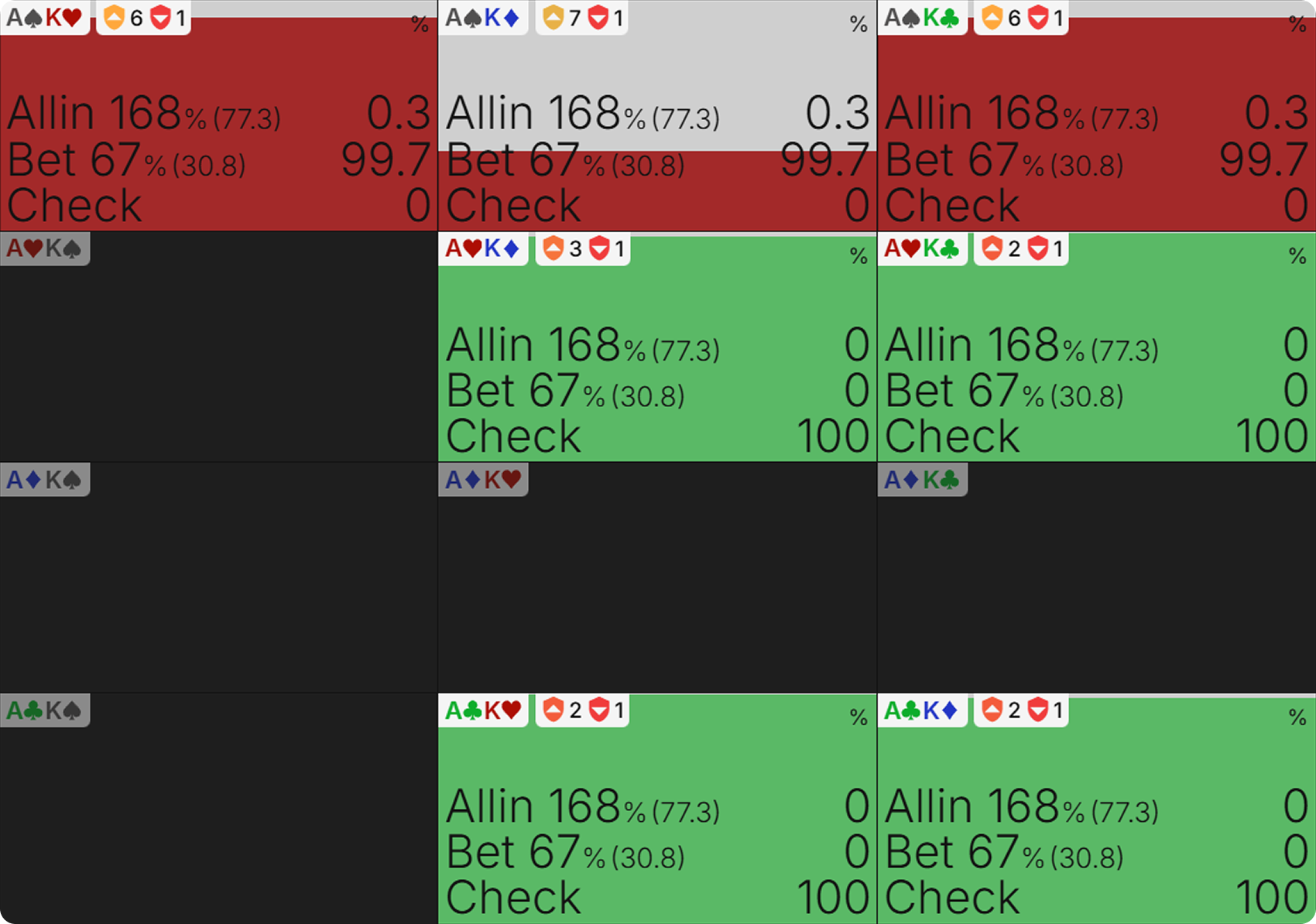
Even hands with 80–90% equity are not necessarily strong enough to shove for value, however! This bucket consists mostly of AK, which can be assigned the position tasked with pursuing ‘value’ when it contains the A♠ but is otherwise better for ‘dodging traps.’
Drafting the Bottom Half: Bluffs, Bluff-Catch Dodgers
The decision of whether to ‘bluff’ is not as simple as shoving hands without showdown value and checking otherwise. In fact, nearly UTG’s entire range has some showdown value. Plus, in this case, their very worst hands are poor candidates for bluffing. This is because those worst hands are busted draws, which block the busted draws in BB’s folding range.
What UTG is looking for in bluffing candidates are hands with little showdown value that block BB’s traps, which are sets and two pairs. Ace-x would block those most successfully, but those hands have too much showdown value to shove! The optimal team roster for the bottom half looks as follows:
- UTG’s best Bluffs are hands like 65s and 54s, which have very little showdown value (they would win about 5% of the pot by checking) and block A5s and T5s.
- Their best Bluff-Catch Dodgers are busted draws like J♠9♠ or Q♦J♥, which block BB’s folding range.
If UTG were betting less than all-in, they’d have to do some planning ahead. They would need to consider how to respond to a raise. If the raise were all-in, they’d only need to assign Bluff-Catchers and Value/Trap Dodgers. But if 3-betting were an option, then they’d also need to think about Traps and 3-bet Bluffs.
For a better example of how this analogy can help with planning ahead, let’s step back to UTG’s turn strategy.
A Turn Example
The board is A♦T♠5♠ 7♣. BB has checked, and UTG is considering whether to check or bet 169% pot (a geometric size that, as we have seen, sets up a similarly sized shove on the river). Their range for arriving at the turn is not nearly as polar as the river range we looked at above, though it still consists mostly of hands with more than 70% or less than 50% equity, with very little in between. The most striking difference from the river range is that UTG bets more hands that are not at the extremes of near-nuts or worthless. Indeed, most of their bluffs come from the 25–50% equity bucket rather than the 0–25% bucket.
{{question-mark}}
What does this tell us about the roles they are filling on their roster?
{{/question-mark}}
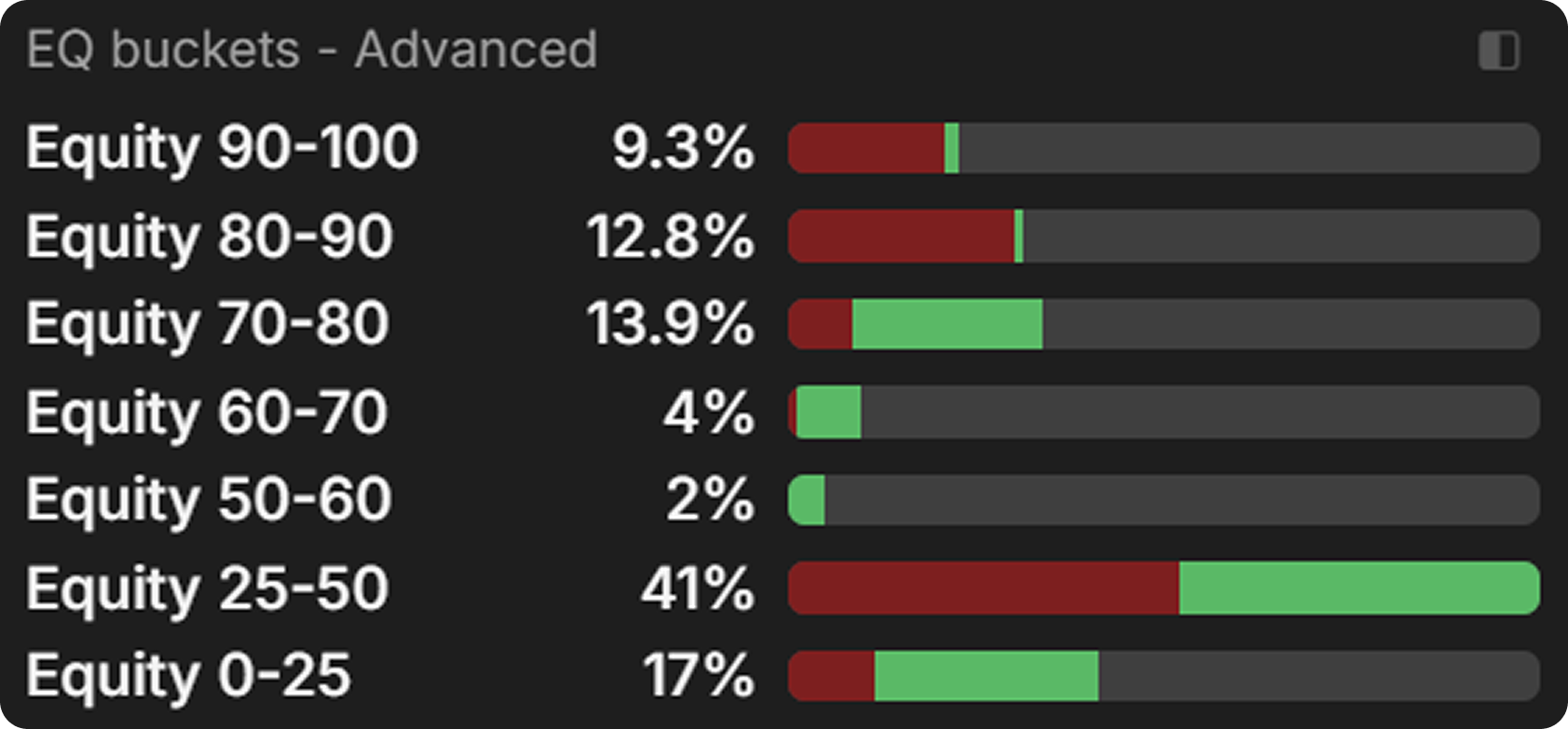
The roles they need to fill immediately are Value (strong betting hands), Bluff (weak betting hands), Trap Dodger (strong checking hands), and Bluff-Catch Dodger (weak checking hands). The reason they fill these roles with such a diversity of hands has to do with planning ahead.
There are four main scenarios UTG must prepare for when constructing their turn ranges:
- BB may raise their bet. This rarely (1.7% of the time) happens at equilibrium, but that’s in no small part because UTG can easily construct a range that does not have difficult decisions when raised. If they bet more medium-strength hands, BB would have more incentive to raise.
- If UTG checks, they will often face a river bet. In that case, they will need Bluff Catchers (calling hands), Value Dodgers (strong folding hands), Value (strong raising hands), and Bluffs (weak raising hands).
- If UTG checks and BB does not bet the river, then UTG will need some Value and some Bluffs to construct a balanced betting range. (They will also have some Trap Dodgers and some Bluff-Catch Dodgers, but those aren’t really roles UTG plans for, more like roles they end up needing.)
- If UTG bets and BB calls, BB will likely check the river (they are not incentivized to bet the river often for the same reasons they are not incentivized to raise the turn bet often), and UTG will again need Value and Bluffs.
For example, many river cards will complete flushes and/or straights. So, UTG wants to have flush and straight draws in both their betting and checking ranges so they can have Value on those rivers.
They also need Value and Bluffs on blank rivers. Value is easy to find after betting the turn, because UTG will have bet strong made hands like sets and two pairs. You might think Bluffs would be easy to find as well, since they’ll have busted draws, but remember that busted draws were actually not the best bluffing candidates on the blank river we investigated above. This is part of why UTG includes hands like 54s and 65s in their turn betting range (they also make good turn bluffs because of their blockers).
Finding Bluffs and Bluff Catchers after checking the turn is easy, because UTG is naturally incentivized to check many weak and medium hands. Finding Value on blank rivers is tricky after checking, and it’s the main reason why UTG mixes checks with some of their strongest hands.
Planning Ahead
Once you understand the role your hand is playing at the current decision point—in other words, why you are playing it the way you are—you have already done much of the work of planning ahead.
As we consider plans for each hand type, I’ll sometimes ask you to make predictions about how to play a K♠ river. That’s what we’re going to look at next, so it’s a great opportunity to practice planning ahead!
Bluffs
Weak hands on the current street will likely remain weak hands on the next street. That’s what makes them weak. That means you will most often be choosing between continuing to ‘bluff’ or to ‘dodge bluff-catches’ (check/give up). Knowing this, you can think in advance about which cards will be good to continue bluffing and which will call for discretion. To be clear, the question you are answering is which cards are good to bluff with this specific hand, not in general. You should have both Bluffs and Bluff-Catch Dodgers, no matter the river card. So the question isn’t whether you would have a bluffing range, but whether these two cards are part of that range.
It’s also worth thinking about what role your hand will play if it improves. Hands with potential to turn into Value on later streets tend to make better early-street Bluffs than hands that will only be Bluff Catchers or Trap Dodgers (checks where you expect to win often at showdown) even if they improve. But of course, many hands could improve in more than one way, so often you will find yourself with Value if you make a straight or flush, but with a Bluff Catcher/Trap Dodger if you make a pair.
On blank rivers such as the 2♥, we have seen already that 65s is a good candidate to keep ‘bluffing,’ while J♠9♠ is a good candidate for ‘dodging bluff-catches’ with a check. This particular river card does not promote any turn Bluffs to Value or Trap Dodger.
{{question-mark}}
What would be your plan with various turn bluffs if the river were instead the K♠?
{{/question-mark}}
Bluff Catchers
The best Bluff Catchers, like the best Bluffs, have the potential to improve to Value. But most of the time, you will be hoping your opponent does not bet again on the next street, and choosing between ‘bluff catching’ or ‘value dodging’ (folding) if they do. If your blockers are especially good, you could even turn the hand into a Bluff. All of this you can plan ahead by thinking about which new cards would nudge your hand into each of these roles.
UTG will not have any ‘bluff catchers’ in their betting range, but any of the pairs in their checking range (currently playing as ‘trap dodgers’) could end up playing this role were they to face a bet on the river.
Value Dodgers
Great news! ‘Value dodgers’ are folds, so the only preparation you need to do for the next street is taking a deep breath and letting go of any frustration you may feel about folding a potentially winning hand.
Were BB to check-raise UTG’s turn overbet, AK and AQ would sometimes play as Value Dodgers and sometimes as Bluff Catchers. This is because they are among the weakest hands filling the Value role in this betting range.
Bluff-Catch Dodgers
These are weak hands you check, so they will probably still be weak on the next street. And because you checked, you’re a lot less likely to use them as Bluffs on the next street than you would be had you bet them. So, most often you will check and/or fold these hands, but you can consider under what circumstances you would ‘bluff’ with them. You should also consider what role they will play if they improve: Value, Bluff Catcher/Trap Dodger (respectively, call or check back depending on whether your opponent bets), or even Value Dodger (the hand may be so weak that you will fold to a bet even if you improve).
K♥9♥ is a good example of a weak hand that checks the turn to ‘dodge bluff-catches’ and will often fold to a river bet even if it improves. Depending on the river card, UTG may choose to ‘bluff’ with it if BB were to check again.
Value
Like other hand classes, Value usually remains Value on the next street. The major exception is when the new card makes many new, stronger hands possible. In those cases, what was previously a very strong hand may become a Bluff Catcher/Trap Dodger or, in extreme cases, even a Bluff or Value Dodger.
On a blank like the 2♥, most of UTG’s turn Value continues betting for value, but AK and AQ mostly get repositioned to fill the role of Trap Dodger and check back. It is not a coincidence that these are the same hands that would shift to the role of Value Dodger were BB to raise the turn bet.
{{question-mark}}
What do you think will be the bottom of UTG’s Value range on a K♠ river, after they overbet the turn? Which hands will become Value Dodgers and check behind?
{{/question-mark}}
Traps
Traps are an exception to the “what you do on the current street is probably what you’ll do on the next street” guideline. If your opponent takes the bait and bets, you’ll need to decide whether to keep trapping or spring the trap and raise for value. If they don’t bet, you should strongly consider betting for ‘value’ yourself. Like Value, Traps could be downgraded to Bluff Catcher/Trap Dodger or even Bluff/Value Dodger, but this is rare. The whole point of trapping is to under-represent your hand, so it will usually be worth putting money in the pot, even on less-than-ideal runouts. We already know UTG will not have any Traps last to act on the river, so any strong hands they check on the turn will need to be assigned a new role.
AA and A♠7♠ are good traps because they block BB’s calling range and are relatively tough to draw out on.
Trap Dodgers
Trap Dodgers actually have a lot in common with Traps. When you check a hand that was good or nearly good enough to value bet on the current street, you should strongly consider playing it for value on the next street, especially if your opponent does not show aggression and the board does not change. This is the other way, besides slow-playing, to find Value in your checking range when blanks come.
On a blank river like the 2♥, most of the Ace-x in UTG’s turn checking range gets promoted to Value if BB checks or plays as a Bluff Catcher if BB bets (unless it’s a massive overbet—the solver’s strategy actually includes some 9x pot shoves).
When the Board Changes
The K♠ is perhaps the most dramatic river card possible on this board. Let’s think about its disruptive effects.
The most obvious change is that a flush is now possible. This means many hands that were previously Bluffs and some that were playing the role of Bluff Catcher have turned into either Value (in either player’s hands) or perhaps Trap if BB chooses to check them. UTG’s only bet size is all-in, so they will not have any reason for trapping.
The K♠ improves many other hands as well:
- QJ goes from Bluff/Bluff-Catch Dodger → Value/Trap.
- And some KQ and KJ can move from Bluff/Bluff-Catch Dodger → Bluff Catcher/Trap Dodger.
Imagine you are the head coach of a soccer team. You’ve just decided to move some players who were previously on defense forward to offensive positions. If that’s the only change you make to your roster, you’re going to be too heavy on offense, leaving your own goal undefended. That could be a wise gambit under rare and specific conditions, just as you might sometimes attempt daring, counterintuitive exploits in poker. But most of the time, you’ll want to rebalance by assigning some players who were on offense to the back half of the field, and that’s what you should generally do at the poker table as well.
Sets and two pairs, which were the top of UTG’s range and so played for Value on the 2♥ river, mostly get reassigned on the K♠ river. They are still strong hands, but they are no longer the best players for that role. Instead, they mostly take on the role of Trap Dodgers so that straights and flushes can play for Value. The most clear example of this is AK, which chooses between the role of Value or Trap Dodger based on whether it blocks OOP’s Traps:
With so many weak hands getting stronger, UTG will need to get creative with filling the Bluff position. We saw that even on a blank river, they were already turning some of their weakest pairs into bluffs. On the K♠ river, pairs as strong as KQ sometimes bluff!
Donk Betting
{{grid: 3fr 1fr}}
BB’s range undergoes some adjustments as well, because they have many hands of their own that get promoted. They didn’t need to fill the Bluff role when calling the turn bet, so their weakest hands were Bluff Catchers/Value Dodgers, some of which improved to Value/Trap on the river.
BB also did not need to fill the ‘value’ role when calling the turn bet. They did have a few traps, but not enough to incentivize donk-shoving blank rivers (they did actually have some blocking bets on the 2♥, but no shoves).
{{/grid}}
BB has even fewer obvious Bluff candidates than UTG. That’s because they could only justify calling the turn overbet from out of position with quite strong hands, so they don’t have no-pairs or weak pairs. They compensate by taking hands that would play as Value Dodgers (folds) if they checked and faced a shove and assigning them to the Bluff role. In this case, that’s primarily AQ, AJ, and AT with a spade (even AK is not a pure call when facing a shove, but it makes a less good bluff candidate because the King blocks UTG’s folds).
Way Back, Even Before the Big Bang Flop
It’s hard enough to plan for how your hand might change roles based on one new card. When three new cards arrive at once, it’s nearly impossible! However, you can still apply this general process in more broad strokes to your preflop decisions.
Pocket Aces
Some hands have relatively clear plans. Pocket Aces will usually play for Value after the flop, though even this can get tricky when stacks are deep. Thus, you almost always want to raise with it, both to facilitate larger value bets after the flop and to reduce the stack depth to the point where you can straightforwardly play it for Value. The only time solvers recommend slowplaying AA is when the postflop SPR will be quite low, even when you do not raise.
Small Pocket Pairs
Small pairs often slot into the Value role when they flop sets and the Value Dodger (fold) role when they do not. Since they rarely flop sets, they usually play best as calls when facing a raise. This reduces the size of the frequent losses from all the times you don’t flop sets while leaving plenty of money behind to invest well on the rare occasions that you do.
Suited Connectors
Suited connectors rarely morph into Value or even Bluff Catchers, but they can make good Bluffs because of how easily they flop draws. This can be a reason to play them aggressively preflop, representing strength that will facilitate future barreling should you pick up a draw.
Strong Hands Just Below the Absolute Best Starting Hands
A lot of the hands that people claim to “hate” (such as AK, AQ, JJ) have less clear plans. I believe it’s this uncertainty that causes the “hatred.” It can be hard to determine which role to assign to these hands after the flop, which means it’s easy to make mistakes or to get a bad outcome despite making a correct choice.
When AK makes a pair, it’s usually a Value hand. That’s a big part of its appeal. Even when it misses, however, it’s rarely a Value Dodger (check/fold). Depending on the circumstances, it may play better as a Bluff Catcher or even as a Bluff. This is because it always has outs to top pair, and we previously identified potential to improve as a property that makes hands well-suited for these roles. On really dry boards, unimproved AK can even be a value hand!
JJ is usually a Value hand when it flops an overpair, but that happens only slightly more often than AK flops a pair. It’s rarely a Value Dodger, however, and it can get promoted to Value despite an overcard on the board if there is not a lot of action on the early streets.
These hands will often be tough to play perfectly, but thinking in terms of roles and which sorts of flops will be conducive to which roles can help alleviate the stress. It can also be helpful to recognize that a lot of the EV of these hands comes from the boards where they do have a clear role, and acknowledge that it’s to be expected that you may feel you have no great options on the boards where they do not.
Conclusion
Perhaps you noticed it was rare for there to be a single, clearly correct role for any class of hand to play:
- Your weakest hands choose between Bluff & Bluff-Catch Dodger.
- Your next-weakest hands choose between Bluff Catcher & Value Dodger.
- Somewhat strong hands choose between Value & Trap Dodger.
- Your strongest hands choose between Value & Trap.
This is why thinking about your “team” as a whole is essential. Your team needs to fill all these roles. Your hand may be better suited to one or the other, but you can only determine that in the context of the other candidates for those positions.
For example, when deciding whether to bluff, you must consider how much bluffing your range wants to do at the current decision point and then whether your hand is more or less well suited to bluffing, relative to the other weak hands you could hold.
Understanding this concept helps you plan ahead for future decision points as well. You can anticipate likely action on future streets and group new cards into a few broad categories (blanks, flush-completing, etc). Knowing what roles you will need to fill at those future decision points helps you decide which hands you want to bring to those decision points and thus how to play those hands at the current decision point.
We Are Hiring
We are looking for remarkable individuals to join us in our quest to build the next-generation poker training ecosystem. If you are passionate, dedicated, and driven to excel, we want to hear from you. Join us in redefining how poker is being studied.
Check out the available positions here.
Monkey in the Middle: 3-Way Pot Heuristics
In this article, we will discuss the key strategic differences between this scenario and one where you face a continuation bet in a heads-up pot, how those differences factor into the GTO responses to these bets in 3-way pots, and when those differences are more or less salient.

The Trouble With Implied Odds
When we were brand new to poker strategy, many of us learned about concepts like equity, outs, and pot odds. When drawing, we were taught to count our outs, use those to estimate our equity, and then call or fold based on whether we were getting the right pot odds for the equity we had.
Poker Concepts You’re Using Wrong (and How They’re Hurting Your Winrate)
Language and poker are two of my great passions in life, so I’ve always been interested in poker’s unique and colorful vocabulary. As a poker coach, podcaster, and writer, I have particularly strong opinions about the language we use to explain poker strategy.