
Playing Under 10bb – Part 2: ICM
Studying shallow stack play when ICM is a factor is even more important than studying it in ChipEV Scenarios. This is because we are at the business end of the tournament, where every decision has significant real money implications.

Monkey in the Middle: 3-Way Pot Heuristics
In this article, we will discuss the key strategic differences between this scenario and one where you face a continuation bet in a heads-up pot, how those differences factor into the GTO responses to these bets in 3-way pots, and when those differences are more or less salient.

The Trouble With Implied Odds
When we were brand new to poker strategy, many of us learned about concepts like equity, outs, and pot odds. When drawing, we were taught to count our outs, use those to estimate our equity, and then call or fold based on whether we were getting the right pot odds for the equity we had.

Poker Concepts You’re Using Wrong (and How They’re Hurting Your Winrate)
Language and poker are two of my great passions in life, so I’ve always been interested in poker’s unique and colorful vocabulary. As a poker coach, podcaster, and writer, I have particularly strong opinions about the language we use to explain poker strategy.

When Checking the Nuts Beats Betting Them
Poker is a complex game that requires a diverse skillset from someone who wants to excel at it. Think of emotional disciplinef, accurate hand reading, and a firm grasp of board texture dynamics. But in the pursuit of advanced strategy, we often neglect the fundamentals, such as extracting maximum va
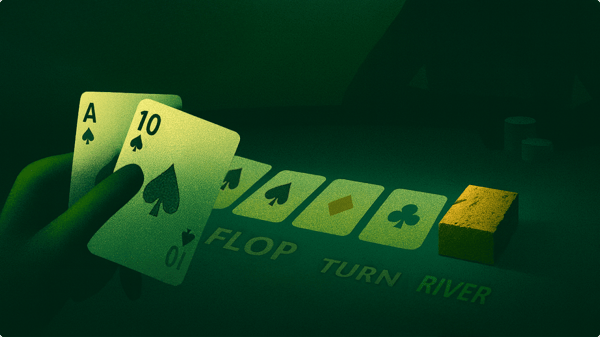
Why You’re Bluffing the River Wrong With Bricked Flush Draws in Cash Games
It’s exciting to flop a flush draw; when you do, you have a fairly high chance of having a strong hand by the river. It’s a lot less exciting, however, when the river arrives without your flush and you’re left with air or a weak pair, especially when you’ve invested a lot of chips on previous street